The Tooth Fairy Guide: Everything Parents Need to Know (2026)
Discover our complete tooth fairy guide for 2026. Learn practical tips for making baby teeth milestones magical and creating lasting memories your children will treasure.
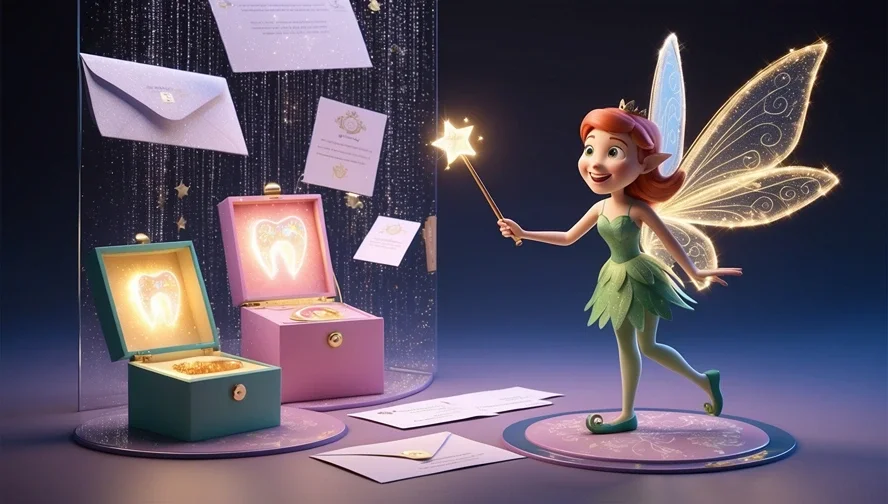
The Complete Tooth Fairy Guide: Essential Parent Tips & Fun Traditions
The tooth fairy tradition holds a special place in childhood memories across the world. As parents navigate this magical journey with their children, understanding its rich history and modern practices can help create unforgettable moments. Let's explore everything you need to know about this beloved childhood tradition, from its fascinating origins to practical tips for today's families.
What is the Origin of the Tooth Fairy Tradition?
Early Cultural Practices Related to Lost Teeth
The practice of marking lost baby teeth dates back thousands of years, with various cultures developing their own unique customs. In early Norse and European traditions, children's teeth were often considered powerful symbols of good fortune. Vikings would pay children for their teeth, which were then fashioned into warrior necklaces believed to bring success in battle. Understanding these global tooth fairy traditions can help modern parents appreciate the deep cultural roots of this beloved custom.
Evolution of the Tooth Fairy Myth in Popular Culture
The modern tooth fairy as we know her emerged in the early 20th century, coinciding with the rise of children's fantasy literature. Unlike Santa Claus or the Easter Bunny, the tooth fairy's appearance and story vary widely, allowing families to create their own unique interpretations. This flexibility has helped the tradition endure and evolve with changing times, as explored in our guide to tooth fairy psychology and child development benefits.
The Modern Tooth Fairy as We Know it Today
Today's tooth fairy combines magic with practical parenting opportunities. Modern parents are getting creative with this tradition, using magical evidence of fairy visits and personalized notes to make each tooth loss special. The tradition has also adapted to include digital elements, with many parents now using AI-powered tools to create custom fairy letters for a more enchanting experience.
"The tooth fairy tradition began in early Norse culture where children's teeth were purchased for good luck. Today, it's evolved into a beloved custom that helps children transition through losing baby teeth while creating magical childhood memories."
How Does the Tooth Fairy Tradition Work?
The Ritual of Placing a Tooth Under the Pillow
The classic tooth-under-pillow tradition remains a cherished ritual, though many families now put creative spins on this practice. Some parents opt for special tooth fairy boxes or pouches to make the exchange easier and more magical. This not only adds excitement but also helps prevent lost teeth (and rewards!) in bed. For practical storage solutions, check out our guide to the best tooth fairy boxes and storage ideas for 2026.
What Does the Tooth Fairy Leave in Exchange for Teeth?
While money remains the traditional gift, modern tooth fairies are getting creative with their exchanges. According to Delta Dental's Original Tooth Fairy Poll, some families include small gifts, special coins, or even certificates of achievement alongside monetary rewards. Understanding current tooth fairy rates for 2026 can help parents set appropriate expectations.
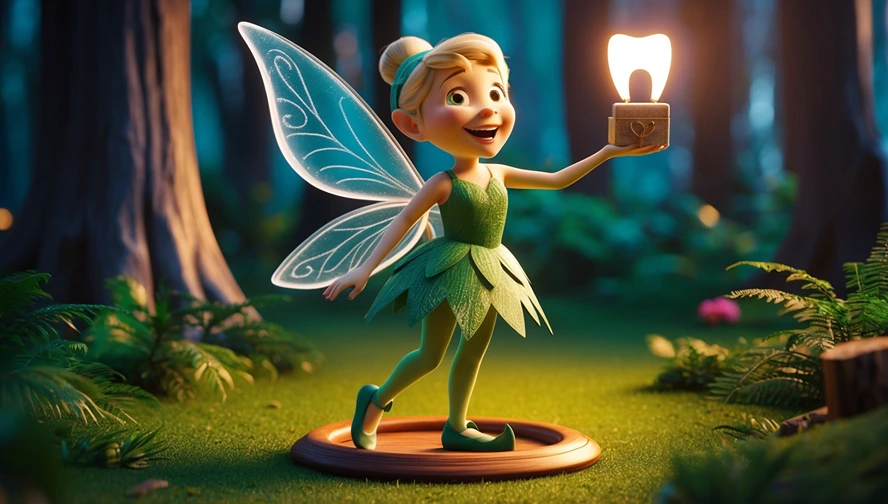
How to Let the Tooth Fairy Know About a Lost Tooth
Making the tooth fairy aware of a lost tooth has become an art form in itself. Many parents now use personalized tooth fairy letters to enhance the experience, drawing inspiration from authentic tooth fairy letter examples and tips. With modern tools like The Magic Letter Box, you can create magical, customized correspondence for various childhood milestones, including tooth loss, that makes each special moment memorable.
Lost or swallowed tooth? Don't worry! Help your child write a note explaining what happened. The Magic Letter Box offers special occasion letter templates that include specific responses for these tricky situations, along with letters for many other magical childhood occasions.
What's the Average Tooth Fairy Payout in 2026?
Current Trends in Tooth Fairy Payments
Tooth fairy payments have evolved significantly over the years. According to recent statistics, the national average has seen interesting shifts in 2026. However, it's important to remember that the magic of the experience matters more than the monetary value. Creating a magical first tooth fairy experience often involves much more than just the monetary exchange.
"The tooth fairy tradition varies by family, with modern exchanges including personalized letters, special coins, and small gifts alongside money. The average payout in 2026 ranges by region, but the focus remains on creating magical moments."
Factors Influencing the "Tooth Fee"
Several factors can influence what the tooth fairy leaves behind. Special occasions like the first tooth often warrant larger rewards. Many families use creative first tooth traditions to make these milestone moments extra special. Some parents also consider:
- Child's age and understanding of money
- Local community averages
- Family traditions and values
- Special circumstances (like losing multiple teeth at once)
Regional Differences in Tooth Fairy Payouts
Geographic location plays a surprising role in tooth fairy generosity. Urban areas tend to see higher averages than rural regions. However, many families are finding that the emphasis on monetary value is less important than creating memorable experiences through personalized tooth fairy interactions and magical tooth fairy fonts that make letters extra special.
How Can Parents Use the Tooth Fairy Tradition to Promote Oral Health?
Encouraging Good Dental Habits Through the Tooth Fairy Myth
The tooth fairy tradition offers a unique opportunity to promote dental hygiene in a fun, engaging way. Many parents use personalized tooth fairy letters to encourage good brushing habits and celebrate proper dental care. Our guide to tooth fairy oral health education provides excellent strategies for incorporating dental education into the magical experience. Consider incorporating positive reinforcement messages about:
- Regular brushing and flossing routines
- Healthy food choices for strong teeth
- The importance of regular dental check-ups
Did you know? The tooth fairy particularly loves clean, well-cared-for teeth! Create personalized notes that praise your child's dental care efforts and encourage continued good habits. Start with the free tooth fairy letter generator for quick solutions.
Collaborating with Your Child's Dentist on Tooth Fairy Visits
Many dental professionals now embrace the tooth fairy tradition as a teaching tool. According to the National Library of Medicine, positive associations with dental care during childhood can lead to better oral health habits throughout life. The tooth fairy can help by:
- Celebrating successful dental visits
- Providing encouragement during dental procedures
- Explaining the importance of baby teeth and their proper care
Using the Tooth Fairy to Educate About Tooth Loss and Development
The tooth fairy tradition provides an excellent opportunity to teach children about dental development. Parents can use this magical messenger to explain the natural process of losing baby teeth and growing permanent ones. For age-appropriate explanations, consider using age-appropriate tooth fairy letter templates that combine education with enchantment.
"Losing baby teeth is a natural developmental milestone. The tooth fairy tradition helps children understand this process while creating magical moments that turn potential anxiety into excitement and anticipation."
What Are Some Creative Tooth Fairy Ideas for Parents?
Unique Ways to Celebrate Losing a Tooth
Modern parents are finding innovative ways to make tooth fairy visits memorable. From creating fairy footprints to leaving behind sparkly fairy dust, there are countless ways to enhance the magic. For families with multiple children, our tooth fairy guide for multiple children offers strategies for managing different ages and expectations. Some popular ideas include:
- Setting up a tiny fairy door near the child's bed
- Using special tooth fairy currency or certificates
- Creating a tooth fairy journal to document each visit
- Leaving behind small treasures along with personalized notes
DIY Tooth Fairy Crafts and Activities
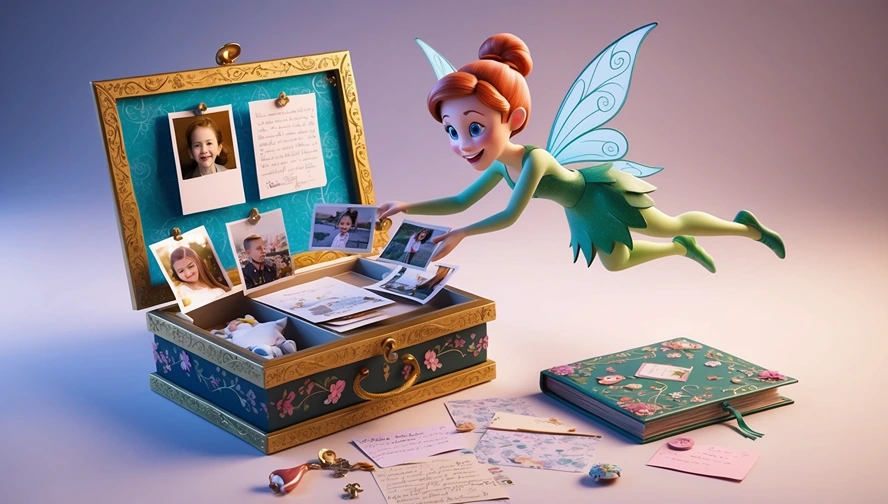
Engaging children in tooth fairy-related crafts can make the experience even more special. Consider creating a dedicated space for the tooth fairy using storage solutions from our comprehensive guide. Popular activities include:
- Making a special tooth fairy pillow
- Creating a tooth fairy door for their room
- Decorating a special box or pouch for lost teeth
- Drawing pictures or writing letters to the tooth fairy
For educational fun, try incorporating tooth fairy STEM activities that combine learning with magical play.
Special Tooth Fairy Traditions for the First Tooth
The loss of the first tooth is a significant milestone that deserves extra attention. Many families establish special traditions for this occasion, such as taking photos, writing special letters, or giving unique first-tooth gifts. Creating memorable first tooth experiences helps set the tone for all future tooth fairy visits.
How Do Different Cultures Celebrate Losing Baby Teeth?
El Ratoncito Pérez: The Spanish Tooth Mouse
In Spanish-speaking countries, children eagerly await visits from El Ratoncito Pérez rather than a fairy. This charming tooth mouse has been a beloved figure since the late 19th century. Like his fairy counterpart, Ratoncito Pérez collects teeth and leaves behind small gifts or coins. For families interested in incorporating multiple cultural traditions, exploring global customs can add richness to the experience.
La Petite Souris: The French Tooth Mouse
French children place their teeth under their pillows for La Petite Souris, another tooth-collecting mouse. This tradition shares similarities with the tooth fairy but maintains its own unique customs and rituals. Many French families use this tradition to teach children about cultural heritage alongside dental care.
Other Global Tooth Loss Traditions
Around the world, different cultures have developed fascinating customs for celebrating lost baby teeth. From throwing teeth onto roofs to burying them in the garden, these traditions reflect diverse cultural values while serving the same purpose: helping children transition through this natural developmental stage.
When Should Parents Reveal the Truth About the Tooth Fairy?
Signs That a Child Might Be Questioning the Tooth Fairy's Existence
Children naturally begin to question magical beliefs as they grow older. Common signs include:
- Asking more detailed questions about how the tooth fairy works
- Comparing notes with friends about different tooth fairy experiences
- Showing skepticism about other magical figures
- Setting up "tests" to catch the tooth fairy in action
Approaches to Discussing the Tooth Fairy Myth with Older Children
When children start asking questions, it's important to handle the conversation with sensitivity. Parents can use inclusive approaches to tooth fairy letters to help navigate these discussions in age-appropriate ways, ensuring all children feel included in the magical tradition.
Transitioning from Belief to Appreciation of the Tradition
As children outgrow their belief in the tooth fairy, parents can help them appreciate the tradition's role in making childhood special. Many families choose to include older children in creating magical moments for younger siblings, passing down the joy of this cherished tradition to the next generation.
Whether you're just beginning your tooth fairy journey or helping your child transition to understanding the tradition, remember that the real magic lies in the memories you create together. Start with the free tooth fairy letter generator for simple solutions, or explore The Magic Letter Box for a comprehensive platform covering all your childhood magical correspondence needs.
Frequently Asked Questions About the Tooth Fairy
How much does the tooth fairy typically leave per tooth?
According to Delta Dental's annual survey, the national average is around $4.20 per tooth in 2026, though this varies by region. Some families opt for a dollar or less, while others leave more for special occasions like a child's first lost tooth.
What happens when a child loses a tooth during special occasions?
When a child's baby tooth comes out during holidays or special events, many families incorporate both traditions. The tooth fairy comes with specially themed letters and gifts, making the experience even more magical. Consider our guide to tooth fairy letters for special occasions for creative ideas.
What are some tooth fairy traditions from around the world?
Different cultures have unique mythical creatures who collect teeth. In Spanish-speaking countries, Ratoncito Pérez (a little mouse) collects teeth, while Middle Eastern countries have various customs dating back to the 17th century. Some traditions believe leaving their teeth under pillows can bring good luck.
How can parents help when the thought of losing a tooth makes their child anxious?
When children feel nervous about tooth loss, parents can use magical characters like the tooth fairy who leave encouraging notes about developing a healthy smile to ease concerns about adult tooth growth. Personalized letters can address specific concerns and turn anxiety into excitement.
What's the story behind the tooth fairy?
The myth of the tooth fairy comes in all shapes and sizes across cultures. One fascinating tale involves a mouse that helped a queen defeat an evil king by collecting children's teeth. While the tooth fairy makes appearances in many forms, the tradition of leaving special gifts in exchange for baby teeth remains consistent across various cultures.
How do families celebrate when children start losing their baby teeth?
Many families create special traditions around the loss of baby teeth. From special pillows to magical evidence, each child's tooth loss becomes a celebration, helping transform potentially scary moments into exciting milestones. For comprehensive guidance, explore resources on creating memorable tooth fairy experiences.
What should I do if the tooth fairy "forgets" to come?
Don't panic! Check out our guide on what to do when the tooth fairy forgets for creative solutions that save the day and maintain the magic.