Help Kids Transition from Tooth Fairy Belief with Ease
Help your child gently move from Tooth Fairy belief to reality. Explore comforting tips, talking points, and fun alternatives to keep the magic alive!
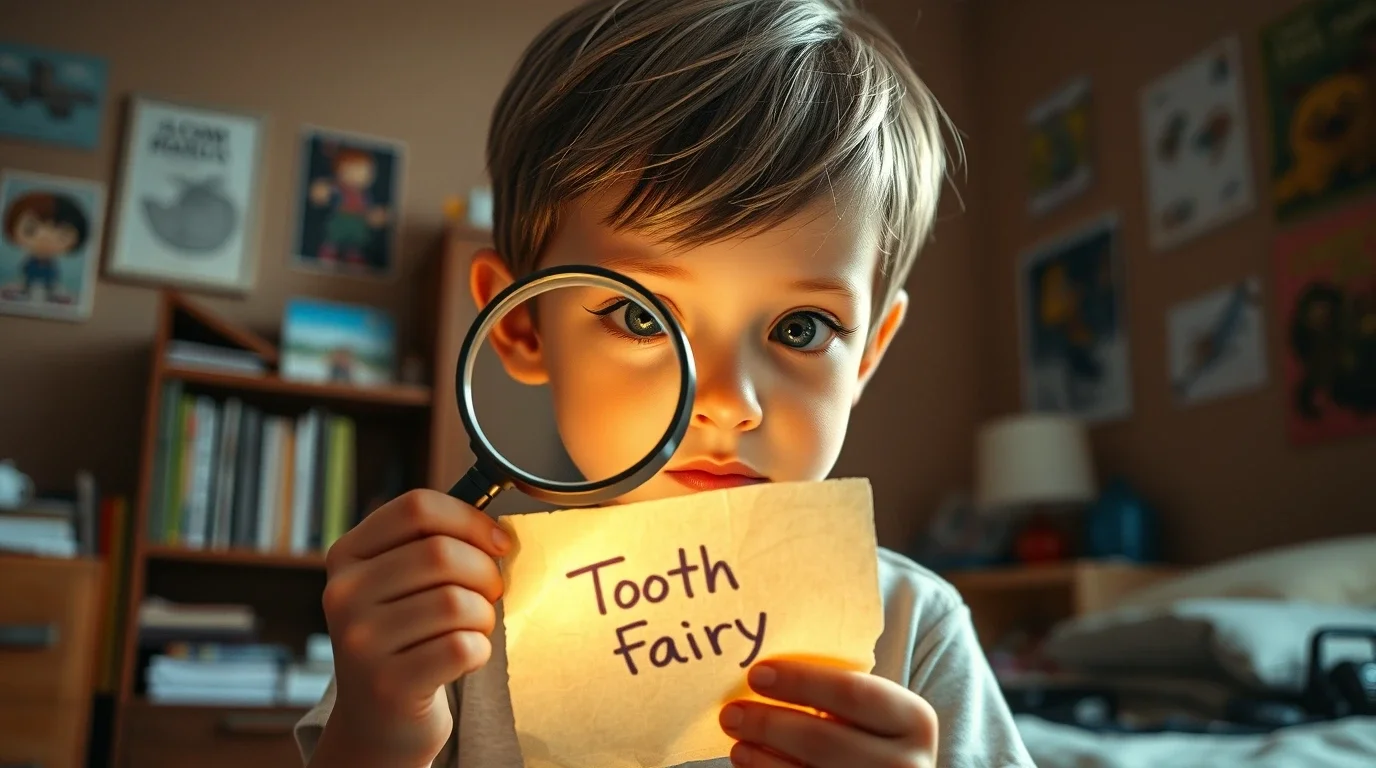
Navigating Tooth Fairy Skepticism: Keeping Childhood Magic Alive
One morning, your child might shuffle into the kitchen with a curious expression and ask, "Is the Tooth Fairy real?" It can feel like the end of an era—but it doesn't have to be a sudden halt to all the fun. In this guide, we'll explore how to handle your child's shifting beliefs about the Tooth Fairy, offering tips for preserving the magic (if they still want it) or gracefully moving on if they're ready for the "big reveal."
Want to keep the fantasy going a bit longer?
For a variety of magical childhood letters including Tooth Fairy, Santa, Easter Bunny, and more, visit The Magic Letter Box! Enjoy 5 free letters upon sign-up and unlimited access for just $15/year.
Whether your child is taking their first steps toward skepticism or you're dealing with an older sibling who's ready to spill the beans, there are many ways to handle the conversation. From encouraging imagination to introducing new twists on the tradition, let's keep the enchantment alive—no matter how old they are.
1. Gauge Their Readiness (and Intent)
Children often drop subtle hints before outright asking. They might say, "I heard at school the Tooth Fairy might be parents," or they could ask, "How does the Fairy carry all those teeth?" Start by asking them why they're curious. Do they genuinely suspect it's not real, or are they testing the waters?
- Explore Their Curiosity: Ask open-ended questions like, "What do you think?" to see if they're ready for a direct answer.
- Follow Their Lead: If they still want to believe, you might continue the magic a little longer with playful explanations—like referencing global tooth fairy traditions or exploring how tooth fairy psychology supports child development.
2. Decide on Your Approach
If your child is ready to learn the truth, you can frame it as a graduation into "fairy helper" status—something special that big kids get to do. Alternatively, if you sense they're on the fence, you can keep the magic alive with more creative touches:
- Soft Reveal: Gently explain that parents often stand in for the Fairy, but the spirit of giving remains real. Emphasize that believing in kindness and excitement is what truly matters.
- Shared Secret: If an older sibling knows the truth, invite them to help keep the tradition fun for younger siblings. This fosters bonding and responsibility.
- Fairy Identity Twist: If your child is partially skeptical, create a new angle—for instance, the Fairy "delegates" some tasks to parents when she's too busy. Consider using age-appropriate tooth fairy letter templates to match their developmental stage.
3. Offer a "Next Step" in the Tradition
Belief changes don't have to end the tradition cold turkey. Instead, pivot to something new and engaging:
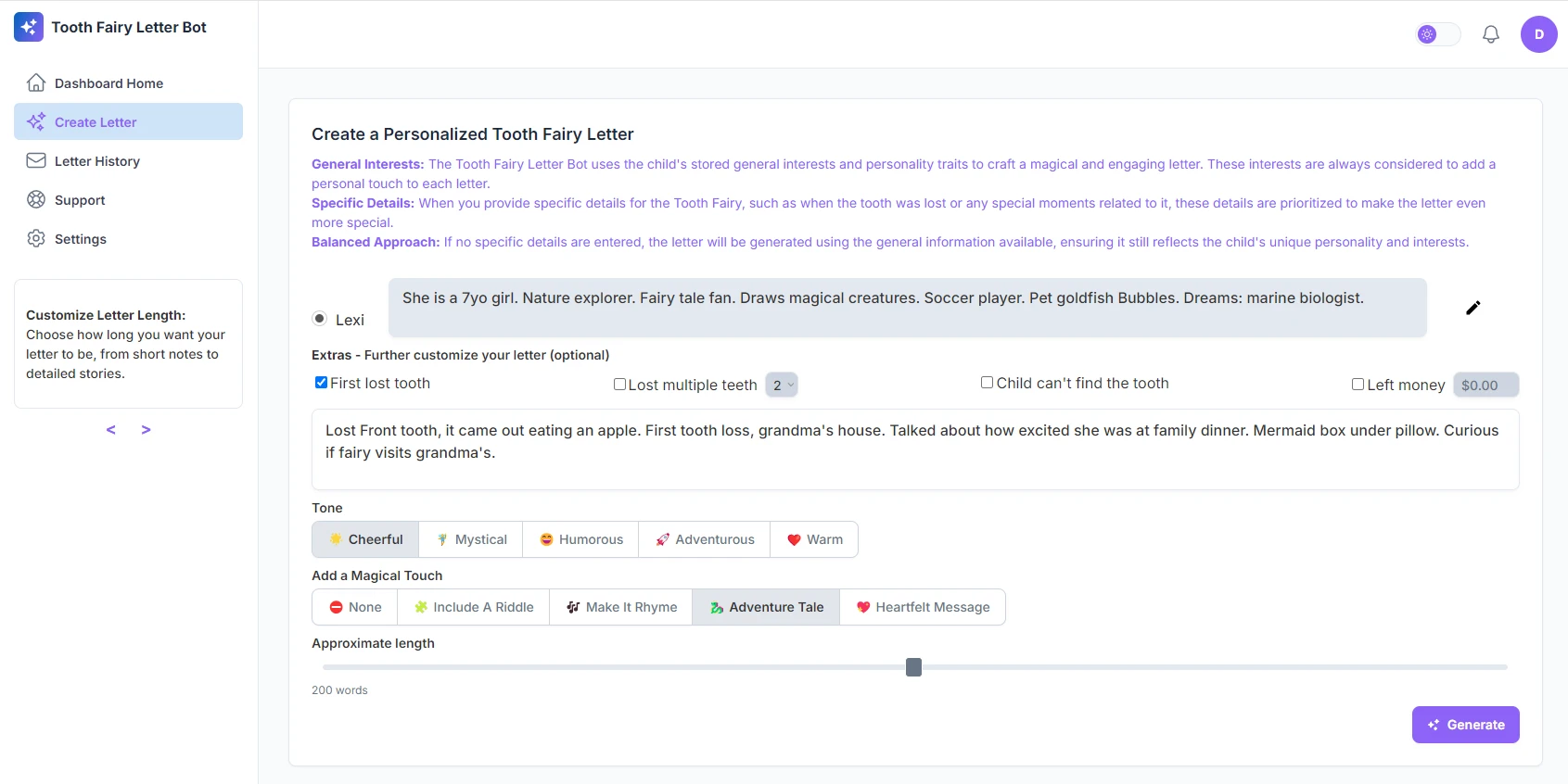
- Fairy Fact-Finding: Encourage them to write questions to the Fairy in their letters. Even if they suspect it's you, they'll enjoy seeing how the answers evolve. Tip: Try the free tooth fairy letter generator for quick inspiration.
- Collecting Memories: If your child is older, let them help decorate a keepsake box for baby teeth or design a scrapbook of Tooth Fairy moments. For storage inspiration, see our guide on best tooth fairy boxes for 2026.
- Co-Creating Magic: Give them a "secret co-conspirator" role to plan fairy visits for younger siblings, neighbors, or cousins. They can help hide gifts and sign the letters using techniques from our magical tooth fairy fonts guide.
4. Emphasize Values Over "Make-Believe"
One of the loveliest parts of the Tooth Fairy tradition is fostering excitement and imagination. When your child questions its reality, remind them of the underlying values:
- Generosity: The Fairy (or parents) leaves a surprise to celebrate a milestone, encouraging care for others.
- Wonder & Creativity: Even if they know the truth, they can still embrace the spirit of imaginative play.
- Emotional Support: Losing a tooth can feel strange or scary; magical character visits ease that transition with excitement and comfort.
5. Craft a Gentle Explanation
If you do decide to reveal the truth plainly, you can still keep it warm and loving:
- Relate It to Other Traditions: Compare the Tooth Fairy to other fun customs like the Easter Bunny or Santa Claus. Kids often see them in a similar playful light.
- Share Your Own Childhood Experience: Did you have a magical moment as a kid that you realized was your parents' doing? Let them see that it's normal to outgrow certain beliefs while still cherishing them.
- Honor Their Emotions: Some kids feel a sense of loss. Validate their feelings and remind them they can still celebrate younger siblings' or friends' milestones.
6. Encourage Ongoing Creativity
Belief in childhood characters may fade, but creativity doesn't have to. Suggest your child write short stories or draw comics featuring magical characters. Or they might design new personalized letters—complete with fancy signatures—for any younger siblings who still believe. This way, they transition into a behind-the-scenes "magic maker" role. For families with multiple children at different developmental stages, our tooth fairy guide for multiple children offers helpful strategies.
7. Reinforce Dental Health Messages
As always, the Fairy's tradition can be a fun segue to good oral hygiene. Even if your child is done believing, they can pass the lesson on to others: "We keep our teeth sparkling because it's healthier—plus it keeps the Fairy tradition shining for those who still believe!" Understanding tooth fairy oral health education can help you maintain these important conversations even after the magical phase ends.
8. Handling External Influences (Older Siblings, Classmates)
Sometimes older siblings or classmates drop "it's not real" bombshells. Encourage your child to talk to you openly about how they feel. If siblings are involved, you can:
- Set Family Expectations: Explain to older kids why it's important not to spoil the magic prematurely for younger ones.
- Invite Sibling Cooperation: Let the older sibling be a "magical assistant," so they understand the joy of creating enchantment for someone else.
9. Possible "Plan B" Traditions
If your child opts out of the Fairy altogether, consider replacing it with a new tradition that acknowledges they've matured. For instance:
- Parent-Child Night Out: Whenever they lose a tooth, you might go out for a special dessert or activity—no Fairy required.
- Art Project: Turn each lost tooth into a small craft project or painting. Display the pieces as a "lost tooth gallery."
- Charitable Angle: Instead of leaving money under the pillow, choose a small donation to a favorite cause—fostering empathy as they move beyond the Fairy phase.

10. Final Thoughts: Balancing Reality and Wonder
Whether your child decides to keep the secret alive or is ready for the truth, the magic of childhood traditions isn't just about fantasy characters. It's about fun, anticipation, and a bit of sparkle in everyday life. Even as they grow older, you can preserve those elements through new family customs, creative projects, or heartfelt personalized letters.
Understanding when kids start losing teeth can help you prepare for these conversations early. For families looking to maintain magical traditions even as children mature, creating inclusive tooth fairy experiences ensures every child can participate in the wonder at their own developmental level.
While the free tooth fairy letter generator offers basic options, for a more comprehensive magical experience with multiple character letters including Santa, Easter Bunny, Leprechaun, and more, visit The Magic Letter Box. Enjoy 5 free letters upon sign-up and unlimited access to all letter types for just $15/year!
Whatever path you choose, remember that asking questions about childhood fantasy characters is a natural part of growing up. With gentle guidance and a creative spirit, you can help your child embrace a new level of understanding without losing the joy that made these traditions special in the first place.