Tooth Fairy Letters for Teenagers: Age-Appropriate Magic Guide
Create sophisticated tooth fairy letters for tweens and teens. Navigate skepticism with humor, wit, and age-appropriate magic that respects their maturity.
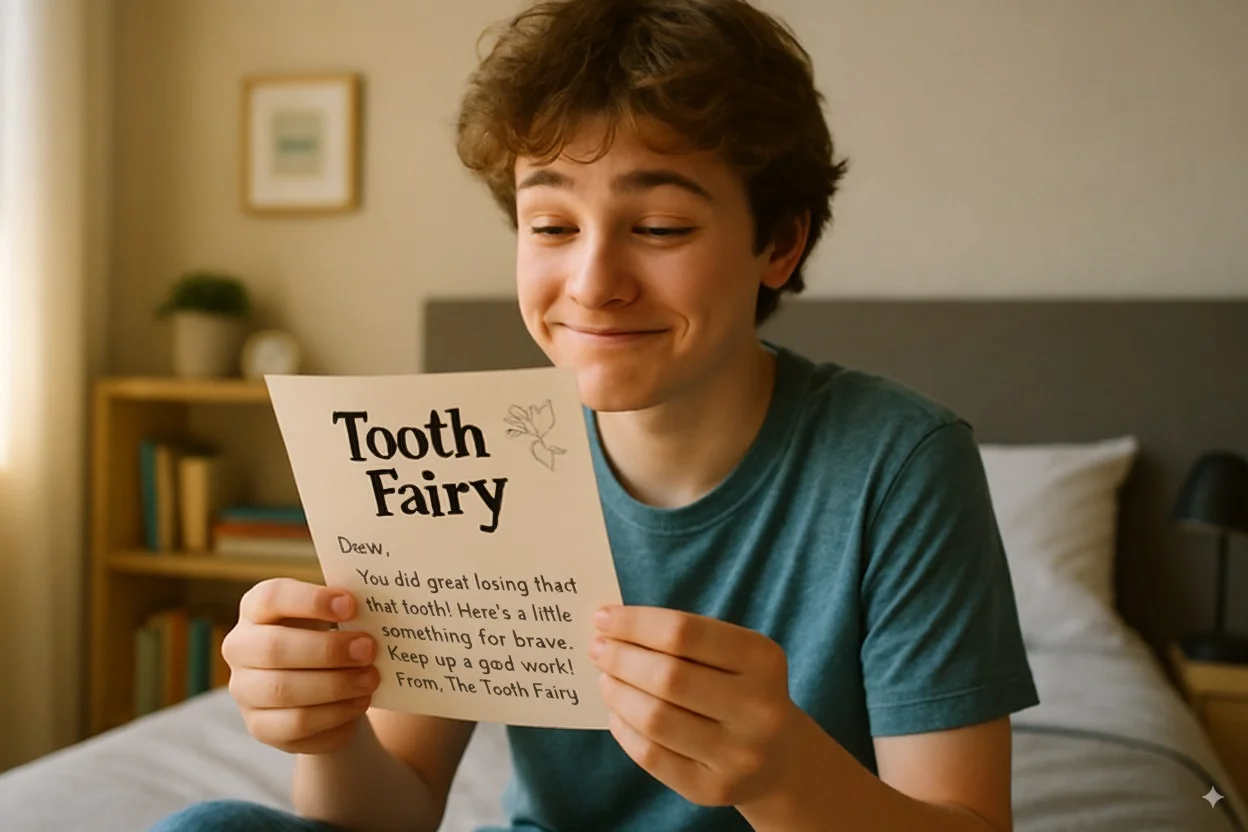
Tooth Fairy Letters for Teenagers and Tweens: Navigating Age-Appropriate Magic
Your thirteen-year-old just lost their last molar, and you're facing a dilemma that would make even the most experienced parent pause: Do you still play tooth fairy? They've been giving you knowing looks for months, maybe even years. They're too old for wide-eyed wonder, but they're not quite ready to abandon childhood magic entirely. This delicate balance between growing up and holding onto tradition requires a completely different approach than the sparkly, magical letters that work for younger children.
The reality is that many children lose their final baby teeth well into their preteen and early teen years, with molars often falling out around ages 12-14. Yet most tooth fairy resources focus exclusively on younger children, leaving parents of tweens and teens without guidance for this transitional period. The challenge isn't whether to continue the tradition—it's how to honor your teenager's growing sophistication while preserving the connection and fun that makes these moments special.
While navigating these older-child tooth fairy visits can feel uncertain, imagine having the ability to create perfectly age-appropriate letters that acknowledge your teen's maturity while maintaining just the right touch of playful magic. The Magic Letter Box offers sophisticated customization options for every age and stage, ensuring your letters evolve with your child from their first lost tooth through their final baby teeth—and beyond to graduation celebrations, achievements, and all of life's important milestones.
Understanding the Teenage Tooth Fairy Dilemma
The awkward age between childhood belief and adult skepticism creates unique challenges for maintaining family traditions. Research on teenage communication emphasizes that adolescents crave respect for their growing maturity while still needing emotional connection and family traditions. They're simultaneously pushing toward independence and clinging to familiar comforts.
Most teenagers losing teeth at this stage fall into one of several categories: they're secretly hoping you'll continue the tradition despite their apparent sophistication, they're playing along to maintain family harmony, they're genuinely conflicted about growing up, or they're actively participating in preserving the magic for younger siblings. Understanding which category your teen falls into helps determine the best approach.
Pay attention to subtle cues from your teenager. Do they still mention loose teeth to you? Do they carefully place lost teeth somewhere you'll notice? These behaviors often indicate they want the tradition to continue, even if they won't directly ask for it.
The developmental reality is that adolescent brain development creates internal conflicts between the desire to be seen as mature and the comfort of familiar childhood experiences. Rather than viewing this as a problem to solve, parents can frame it as an opportunity to evolve traditions in ways that honor both their teen's growing sophistication and their ongoing need for family connection.
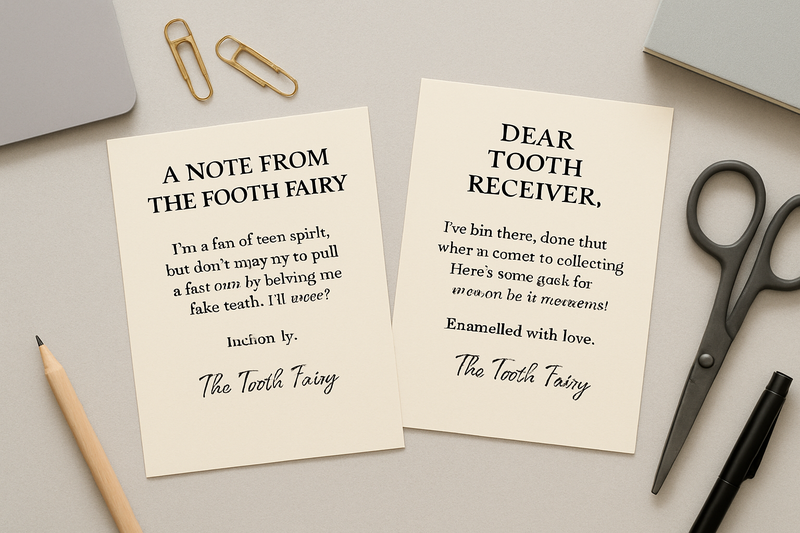
The Psychology of Humor in Teen Communication
Teenagers respond to humor differently than younger children. While six-year-olds enjoy pure fantasy and wonder, teens appreciate wit, wordplay, and subtle acknowledgment of their growing awareness. The most successful tooth fairy letters for this age group strike a balance between playful imagination and sophisticated humor that makes teens feel "in on the joke" rather than patronized.
Expert guidance on teen communication suggests that humor becomes a crucial bridge during adolescence, allowing parents to connect with their teens while respecting their developing identity. A well-crafted tooth fairy letter can serve as a form of gentle communication that acknowledges your teen's maturity while maintaining a sense of fun.
Consider approaches like:
- Self-aware humor: The tooth fairy acknowledges that she knows the recipient is "too old" for this but enjoys the tradition anyway
- Pop culture references: Incorporating current trends, memes, or references your teen will appreciate
- Sophisticated wordplay: Puns and clever language that require more advanced comprehension
- Gentle irony: Playing with the absurdity of a magical fairy visiting a teenager
Crafting Age-Appropriate Content
The language and themes that work for teenagers differ significantly from younger children's letters. Instead of emphasizing magical wonder, focus on elements that resonate with adolescent experiences and concerns.
Acknowledging Their Growing Maturity
Teenagers need to feel seen and respected for their developing sophistication. Effective letters acknowledge this directly:
"I know you probably rolled your eyes when you realized you still had a tooth fairy visit coming, but honestly? Some traditions are worth keeping, even when you're practically an adult. Plus, I've been doing this job for centuries, and I'm not about to retire just because my clients are getting taller and more sophisticated."
This approach validates their maturity while maintaining the playful framework of the tradition.
Incorporating Current Interests
Unlike younger children who may be content with generic magical references, teenagers appreciate personalization that reflects their current interests, hobbies, and concerns. This might include:
- References to their sports teams, favorite music, or current shows
- Acknowledgment of academic pressures or achievements
- Gentle humor about teenage life (sleep schedules, social media, growing independence)
- Recognition of their increasing responsibilities and maturity
The key is demonstrating that the tooth fairy "knows" your teenager as an individual, not just a generic child losing teeth. This personalization transforms the letter from a childish game into a meaningful family connection.
Navigating Skepticism and Doubt
Many teenagers experiencing tooth fairy visits have moved beyond literal belief but still find value in the tradition. The challenge for parents is acknowledging this reality without completely destroying the framework that makes the experience meaningful.
Research on adolescent development suggests that teenagers often engage in "as if" thinking—participating in activities they know aren't literally real because they provide emotional or social value. This phenomenon explains why a teenager might simultaneously know the tooth fairy isn't real while still looking forward to the letter.
For more guidance on handling skeptical children, our article on helping kids transition from tooth fairy belief provides strategies for different situations and ages.
The "Wink-Wink" Approach
This strategy involves subtle acknowledgment that both parent and teen understand the reality while still maintaining the playful framework:
"Between you and me, I think you might have figured out some things about how this whole tooth fairy operation works. But since we're both here, and you did lose a perfectly good molar, let's stick with tradition. Consider this my way of saying 'congratulations on surviving another milestone of growing up.'"
Transitional Conversations
Some families benefit from explicit conversations about the tradition's evolution. Communication experts recommend that parents approach these discussions with honesty while emphasizing the emotional value of shared traditions.
You might say: "I know you're old enough to understand how the tooth fairy really works, but I've enjoyed this tradition with you. Would you like me to keep leaving notes, or would you prefer we find a different way to mark these milestones?"
Special Considerations for Late Tooth Loss
Children who lose teeth later than their peers—often due to genetic factors or orthodontic intervention—face unique social pressures. A 14-year-old losing their last baby tooth may feel embarrassed or different from their peers who finished this process years earlier.
Tooth fairy letters for late tooth loss should acknowledge these feelings while celebrating the milestone:
"I hear you might be feeling a bit self-conscious about losing teeth when most of your friends finished this process ages ago. But honestly? I much prefer working with mature clients like you. You take better care of your teeth, you're more responsible with the whole process, and let's be real—you appreciate good humor in your correspondence."
The Wisdom Teeth Phenomenon
Some families extend tooth fairy traditions to wisdom teeth removal, typically occurring in late teens or early twenties. This requires even more sophisticated handling, often focusing on:
- Humor about dental procedures and recovery
- Recognition of their transition to adult responsibilities
- Acknowledgment of the "final" tooth fairy visit
- Celebration of their journey from childhood to adulthood
Wisdom teeth letters work particularly well when they acknowledge the absurdity of a college student receiving tooth fairy mail while treating it as a meaningful family tradition worth preserving.
Sibling Dynamics and Secret Keeping
Teenagers in families with younger children often become co-conspirators in maintaining the tooth fairy magic for their siblings. This dynamic can actually strengthen the tradition's appeal for older children, giving them a sense of importance and responsibility in preserving family magic.
Effective letters can acknowledge this role:
"I know you're probably helping keep the magic alive for your little sister, and I appreciate having such a reliable assistant in the field. Your job is just as important as mine—maybe more so, since you're the one who really makes the everyday magic happen in your house."
Managing Different Ages Simultaneously
Families with children at different developmental stages need different letters for each child, even when teeth are lost close together. The seven-year-old gets wonder and sparkle; the thirteen-year-old gets wit and acknowledgment of their sophistication.
This differentiation helps each child feel the tradition is tailored to their needs rather than receiving generic, one-size-fits-all treatment.
Managing different ages and keeping track of what works for each child can be challenging. Our personalized letter generator can create age-specific content for every family member, ensuring each child receives exactly the right tone and approach for their developmental stage.
Pop Culture Integration and Current References
Teenagers are deeply connected to current culture, and references that resonate with their world can make tooth fairy letters feel relevant and engaging rather than outdated or childish.
Safe Pop Culture References
Choose references that are likely to remain recognizable and positive:
- Music genres or artists: "I've been listening to a lot of [current popular artist] during my nighttime rounds"
- General technology trends: "Had to upgrade my fairy dust storage to cloud-based systems"
- School experiences: "I remember when my biggest worry was algebra tests"
- Social media humor: "If I had Instagram, this molar would definitely be post-worthy"
Avoiding Pitfalls
Be cautious with references that might become dated quickly or that touch on controversial topics. The goal is connection, not demonstrating how "cool" you are as a parent.
Letter Presentation and Delivery
The physical presentation of letters becomes more important with teenagers, who notice details and appreciate effort put into making something special.
Sophisticated Design Elements
Consider presentation approaches that feel age-appropriate:
- Quality stationery: More elegant paper rather than childish decorations
- Subtle personalization: Inside jokes or references only your family would understand
- Handwriting style: More mature, less whimsical than letters for younger children
- Envelope details: Creative return addresses or subtle design elements
Teenagers appreciate effort and thoughtfulness more than elaborate decorations. A well-written, personally relevant letter on simple paper often works better than an over-decorated generic note.
Delivery Timing and Placement
Consider your teenager's schedule and preferences for discovery. Some may prefer finding letters in private spaces where they can read and react without audience, while others enjoy family discovery moments.
Building Bridges to Adulthood
Tooth fairy letters for teenagers serve a unique purpose: they provide a bridge between childhood and adulthood that honors both stages of development. These letters can become vehicles for deeper communication about growing up, changing relationships, and family values.
Acknowledging Life Transitions
Use tooth fairy letters as opportunities to recognize your teenager's growth and achievements:
"This might be one of our last official transactions, and I have to say, it's been amazing watching you grow up. From that first tiny tooth when you were six to this final molar at fourteen—you've become quite the remarkable person. I'm not sure what protocol is for retired clients, but I have a feeling you're going to do wonderful things with that increasingly sophisticated smile."
Preserving Family Connection
These letters become opportunities to reinforce family bonds and shared experiences during a time when teenagers naturally pull away from family activities. They provide a low-pressure way to communicate love, pride, and connection.
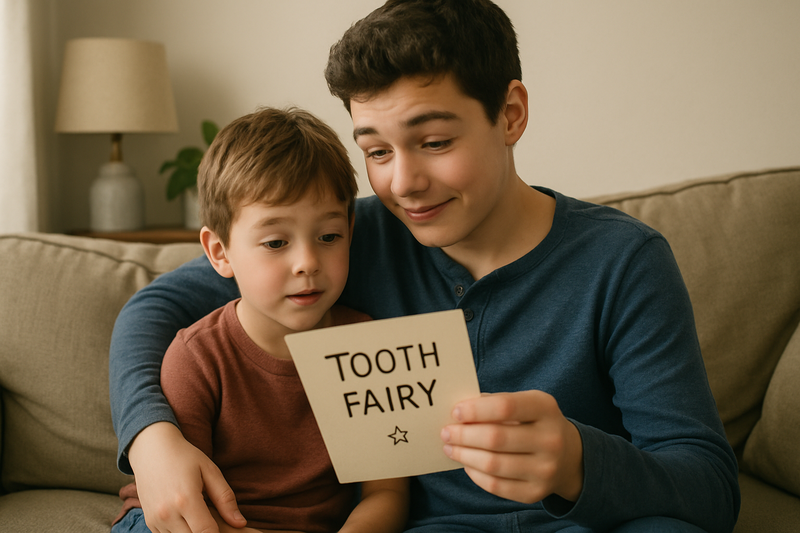
Sample Letter Templates and Approaches
Here are several approaches that work well for different types of teenage personalities and family dynamics:
The Humor-Forward Approach
"Well, this is awkward. I've been doing this job for centuries, but I have to admit—visiting teenagers is a new challenge. Your tooth extraction technique has definitely improved since you were seven (remember when you tried to tie that first tooth to the doorknob?), and I appreciate that you've moved past leaving me half-eaten cookies. Cash transaction as usual, but I have to ask: do you really need this dollar, or should I start a college fund?"
The Sentimental-But-Not-Cheesy Approach
"Fourteen years, twenty teeth, and countless memories. This might be our final official business together, and while I know you've outgrown most of your childhood traditions, I'm grateful we kept this one going. You've grown into exactly the kind of person I hoped you'd become when I met you at age six—thoughtful, funny, and remarkably good at dental hygiene. Keep smiling."
The Conspiratorial Approach
"I know we both understand how this really works at this point, but some traditions are worth preserving even when we've grown beyond their original magic. Thanks for playing along with this old-fashioned family custom. Between you and me, these visits to mature clients like you are the highlight of my route—much better conversation than the seven-year-olds."
The most effective letters combine multiple approaches, reading the specific child and situation to determine the right balance of humor, sentiment, and acknowledgment of their growth.
Handling Different Personality Types
Not all teenagers respond to the same approaches. Understanding your teen's personality helps tailor the letter's tone and content.
The Skeptical Realist
These teenagers appreciate direct acknowledgment of the tradition's fictional nature while still valuing the connection:
"I know you're way too smart to believe in actual fairies at this point, but your parents asked me to keep up this tradition, and honestly? I think there's something to be said for maintaining family customs even when we've outgrown their literal truth. Plus, you earned this dollar by dealing with a week of annoying loose tooth sensation."
The Secret Romantic
Some teenagers maintain a soft spot for childhood magic and appreciate letters that honor both their sophistication and their lingering fondness for wonder:
"I suspect you might be one of the few teenagers who still finds a little magic in traditions like these. There's something to be said for holding onto the wonder of childhood even as we grow more sophisticated. The world needs people who can balance grown-up responsibilities with a touch of whimsy."
The Protective Big Sibling
These letters work well for teenagers who are helping maintain magic for younger family members:
"I hear you've been an excellent assistant in maintaining the tooth fairy magic for your little brother. That kind of thoughtfulness and commitment to family traditions is exactly the kind of quality that makes someone special. Consider this both payment for your tooth and a small bonus for your excellent work as my unofficial deputy."
Generate Perfect Letters for Any Teen Personality TypeCultural and Family Value Integration
Tooth fairy letters for teenagers provide opportunities to reinforce family values and cultural traditions in ways that feel natural rather than preachy.
Emphasizing Character Development
Use letters to acknowledge character traits you want to encourage:
"I've been impressed by your kindness to younger students at school and your responsibility with your part-time job. These are exactly the qualities that make someone's smile truly bright—not just the dental hygiene, though I appreciate that too."
Cultural Tradition Integration
For families with diverse cultural backgrounds, tooth fairy letters can incorporate various traditions. Our guide to global tooth fairy traditions offers inspiration for blending different cultural approaches.
Remember that the primary goal is connection and communication, not teaching lessons. Heavy-handed moralizing will likely backfire with teenagers who are particularly sensitive to being lectured.
Technology Integration and Modern Communication
Consider how modern technology can enhance rather than replace traditional letter-writing while staying true to your family's approach to screen time and digital communication.
Hybrid Approaches
Some families successfully blend traditional letters with modern elements:
- QR codes: Link to family photos or videos related to the tooth-losing child's journey
- Digital art: Include printed versions of digital artwork or memes
- Reference digital memories: Mention photos on the family phone or shared experiences captured digitally
Respecting Screen Boundaries
Many families intentionally keep tooth fairy traditions analog as a counterbalance to digital saturation. Physical letters provide a tangible, screen-free experience that many teenagers appreciate more than they initially admit.
Addressing Common Concerns and Objections
Parents often worry about continuing tooth fairy traditions with teenagers, fearing they'll seem foolish or that their teens will be embarrassed. These concerns are understandable but often unfounded when the approach is appropriate.
"My teenager will think this is stupid"
Most teenagers appreciate continued family traditions when they're presented respectfully. The key is matching the approach to their maturity level rather than abandoning the tradition entirely.
"Other families stop at younger ages"
Every family's approach to traditions differs, and there's no "right" age to stop. Some families continue modified versions into college years, while others transition earlier. What matters is what works for your specific family dynamic.
"It seems dishonest to continue pretending"
Letters can acknowledge reality while maintaining the playful framework. This isn't dishonesty—it's shared participation in a family tradition that provides connection and fun.
Worried about finding the right approach for your specific teenager? Our personalized letter system adapts to different personality types, family situations, and comfort levels, ensuring your approach feels natural and appropriate for your unique family dynamic.
The Final Tooth Fairy Visit
For many families, the last baby tooth marks a significant milestone worthy of special recognition. These final letters carry extra emotional weight as they acknowledge the end of a childhood tradition and the transition toward adulthood.
Creating Meaningful Closure
Final tooth fairy letters can serve as keepsakes that mark this important transition:
"Twenty teeth, eight years, and countless memories later, our official business together comes to an end. It's been my privilege to be part of your growing-up story, from that first excited gap-toothed grin to the sophisticated young person you've become. While this may be our last transaction, I have a feeling the qualities that made our relationship special—your sense of humor, your kindness, your growing wisdom—will serve you well in all your future adventures."
Transition Ceremonies
Some families create small ceremonies around the final tooth fairy visit, perhaps involving:
- Special presentation of the final letter
- Creation of a keepsake box containing all previous letters
- Family discussion about growing up and changing traditions
- Photos or videos marking the milestone
Long-term Impact and Memory Creation
The letters you write to your teenager may become treasured keepsakes that they revisit years later as adults. Understanding this potential longevity can help guide your approach and content choices.
Future Nostalgia
Consider how current letters might be received by your child as an adult looking back on their teenage years. Will the humor still land? Will the sentiment feel genuine? Will they appreciate the effort you put into maintaining connection during a challenging developmental period?
Family Legacy Building
Teenagers who receive thoughtful, age-appropriate tooth fairy letters often become the adults who create meaningful traditions for their own children. These experiences teach them about adapting family customs to meet children where they are developmentally.
The investment you make in maintaining family traditions during the teenage years often pays dividends in stronger family relationships and your child's appreciation for the effort you made to stay connected during their most challenging developmental phase.
Expert Perspectives and Research
Child development experts increasingly recognize the importance of maintaining family traditions during adolescence, even when they require adaptation. Research on teen communication shows that adolescents value family connection even when they appear to be pulling away.
The key findings relevant to tooth fairy traditions include:
- Teenagers appreciate acknowledgment of their growing maturity
- Humor and shared experiences strengthen parent-teen relationships
- Traditions provide stability during periods of rapid change
- Adolescents value authenticity over perfection in family interactions
Practical Implementation Guidelines
Successfully implementing tooth fairy traditions for teenagers requires planning and sensitivity to their changing needs and social pressures.
Reading the Room
Pay attention to your teenager's verbal and non-verbal cues about their comfort level with the tradition. Some signs they want it to continue include:
- Mentioning loose teeth to you
- Carefully placing lost teeth where you'll notice them
- Asking about younger siblings' tooth fairy experiences
- Expressing nostalgia about childhood traditions
Offering Choice and Control
Teenagers value autonomy, so consider giving them some control over how the tradition continues:
- Ask if they want letters to continue
- Let them choose the presentation style
- Involve them in planning approaches for younger siblings
- Respect their decision if they want to stop
Remember that the goal is connection, not tradition for tradition's sake. If your teenager genuinely wants to move past tooth fairy visits, that's also a valid choice that can be honored and celebrated.
Conclusion: Evolving Magic for Growing Kids
Tooth fairy letters for teenagers represent a unique opportunity to maintain family connection during one of the most challenging developmental periods. By adapting traditional approaches to honor adolescent sophistication while preserving the joy of shared family customs, parents can create meaningful experiences that bridge childhood and adulthood.
The most successful approach recognizes that teenagers aren't simply older children—they're individuals navigating complex developmental challenges who benefit from family traditions that acknowledge their growth while providing continued connection and support. Whether your teenager is losing their final baby tooth at thirteen or having wisdom teeth removed at eighteen, the principle remains the same: respectful acknowledgment of their maturity combined with genuine appreciation for who they're becoming.
These letters often become more than childhood keepsakes; they become evidence of a family's commitment to adaptation, growth, and maintaining connection across developmental changes. In a world where teenagers often feel misunderstood or dismissed, a thoughtful tooth fairy letter communicates that they're seen, valued, and worthy of continued family tradition—even as that tradition evolves to meet their changing needs.
The effort you invest in crafting age-appropriate tooth fairy experiences teaches your teenager valuable lessons about adapting to change while honoring what matters. These skills will serve them well as they navigate their own future relationships, parenting decisions, and family traditions.
Ready to create meaningful tooth fairy letters that perfectly match your teenager's personality and developmental stage? Start with our free generator for age-appropriate letters, and when you're ready for unlimited customization across all of childhood's milestones, The Magic Letter Box ensures your family traditions can evolve and grow alongside your children.