Tooth Fairy for Special Needs: Inclusive Magic & Letters
Discover how to adapt Tooth Fairy traditions for kids with special needs. Learn inclusive tips, letters, and magical strategies so every child feels wonder.
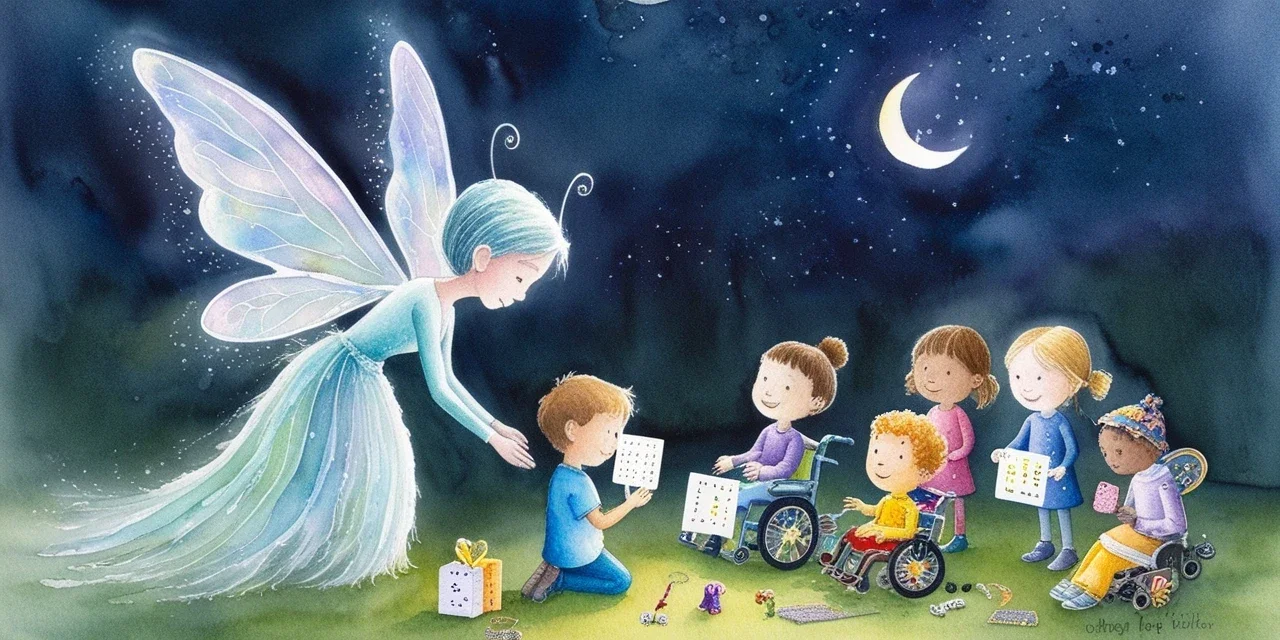
Inclusive Tooth Fairy Letters for Special Needs Children: Magical Guide
Create Magical Personalized Letters for Every Child's Special Moment!
Our AI-powered platform makes it simple to craft personalized notes for kids of all abilities, from the Tooth Fairy and beyond.
Losing a tooth is a universal milestone, often made extra special by a tiny, whimsical visitor—the Tooth Fairy. But for children with special needs, the process of losing a tooth (and understanding what it means) can be more challenging. Thankfully, with a few thoughtful adjustments, every child can experience the wonder and excitement of this magical tradition.
In this 2026 guide, you'll learn how to tailor Tooth Fairy visits—plus letters, gifts, and creative rituals—to ensure inclusivity for all children. From sensory-friendly ideas to social stories, these tips will help you make the Tooth Fairy tradition accessible, memorable, and fun for every unique child in your life.
The Importance of an Inclusive Tradition
Why adapt Tooth Fairy customs for kids with special needs? Simply put, every child deserves to feel the magic and wonder of childhood traditions. When you customize the experience to meet a child's unique developmental, physical, or emotional needs, you're not just creating a one-time event—you're providing a joyful memory that fosters confidence, belonging, and a sense of being truly seen and valued.
Inclusive traditions also benefit the entire family by creating opportunities for siblings to learn empathy, for parents to practice creative problem-solving, and for everyone to celebrate the unique qualities that make each child special.

Simple Ways to Adapt the Tooth Fairy Tradition
Creating inclusive Tooth Fairy experiences doesn't require complete reinvention of the tradition—often, small thoughtful adjustments can make all the difference. Here are some foundational approaches that work well for children with various needs:
- Personalize Everything: Whether it's a special "tooth box" tailored to your child's motor skills or a note that references their favorite characters and interests, personalization creates excitement and a sense of familiarity that helps reduce anxiety.
- Establish Predictable Routines: Many children, especially those with autism or anxiety, thrive with clear routines and expectations. Let them know exactly what will happen when a tooth falls out, creating a step-by-step process they can anticipate and feel comfortable with.
- Use Visual & Tactile Aids: Tools like social stories, picture schedules, or textured objects can build anticipation and understanding for what's to come, making the unknown feel manageable and exciting.
- Mind Sensory Preferences: Some kids may enjoy sparkly fairy dust and twinkling lights, while others might be overwhelmed by these sensations. Always adapt the "magic" to your child's specific comfort level and sensory needs.
Strategies for Various Special Needs
Different types of special needs may call for different adaptations to the Tooth Fairy tradition. Here are specific strategies that have proven successful for various conditions:
Children with Autism Spectrum Disorder (ASD)
Kids on the autism spectrum often thrive on clear structure and minimal unexpected surprises. Consider creating a short "Tooth Fairy social story" using simple language and pictures that walk through each step of the process. You can also establish a predictable schedule: let them know the Fairy always arrives after a certain bedtime or at a specific hour.
If surprises cause stress, consider telling them exactly what small gift or note to expect, or create a "Tooth Fairy menu" where they can choose their preferred reward in advance. This gives them control and predictability while maintaining the magic of the tradition.
Children with Physical Disabilities
Physical adaptations can make the Tooth Fairy tradition more accessible and enjoyable. For example, if retrieving a tooth from under the pillow is difficult due to mobility limitations, establish a "Fairy Bowl" or "Fairy Pocket" that your child can access easily from their wheelchair or bed.
Make sure any gifts or coins are size-appropriate and easy to handle for your child's specific motor abilities. You might even incorporate assistive technology, such as a smart lamp that lights up when the Fairy "arrives" or a voice-activated device that plays a special message.
Children with Visual Impairments
For children who are blind or have low vision, the Tooth Fairy experience can be enhanced through other senses:
- Audio Messages: Record a short personalized "message" from the Fairy that your child can listen to, making the experience feel direct and special.
- Textured or Braille Letters: Create a personalized letter and then convert it into Braille or emboss certain elements with tactile stickers, raised dots, or textured materials.
- Sensory Rewards: Choose gifts with interesting textures, soothing scents, or gentle sounds that add an extra layer of magic through non-visual senses.
Children with Intellectual Disabilities
When explaining the Tooth Fairy concept, use concrete terms and short, simple sentences. Visual aids like showing them a small Fairy doll or a picture of a Fairy at work can help make the abstract concept more understandable. Celebrate each lost tooth with simple, upbeat language and plenty of enthusiasm.
Repetition is key—go over the steps each time so they know what to expect. Consider creating a simple picture book about your family's specific Tooth Fairy tradition that you can read together multiple times.
Children with Hearing Impairments
For children who are deaf or hard of hearing, visual and tactile elements become especially important:
- Visual Cues: Flashing lights or a playful LED lamp can signal that the Fairy has arrived, creating excitement through sight rather than sound.
- Sign Language Messages: If your child uses sign language, record a short video of yourself or a family member signing a special message "from the Fairy."
- Picture-Based Stories: Create a short illustrated booklet that shows the tooth-losing process and Fairy visit step-by-step, allowing them to follow along visually.
Celebrating Dental Differences
Not every child loses teeth in the same way or at the same age. Some may have different developmental timelines, dental implants, or even fewer baby teeth due to medical conditions. Here's how to ensure the magic remains regardless of these differences:
- Focus on Milestones: Celebrate other dental achievements, like successful dentist visits, learning to brush independently, or overcoming dental anxiety.
- Create Adaptive Traditions: If actual tooth loss isn't happening, consider awarding "Fairy Surprises" for good dental hygiene, bravery at dental appointments, or other related accomplishments.
- Keep it Fun & Educational: Use personalized letters to teach about healthy habits, turning each lesson into a magical learning experience that feels special rather than instructional.
For more ideas on alternative tooth fairy traditions and gifts, explore our comprehensive guide to creative tooth fairy alternatives that go beyond traditional approaches.
Involving Siblings and Family
Encourage siblings or other family members to join in the excitement and become part of the inclusive tradition. They can help decorate a special tooth collection box, write collaborative letters, or share their own Tooth Fairy stories adapted for their sibling's understanding level.
This involvement fosters empathy, understanding, and a sense of teamwork in making the moment special for everyone. It also helps siblings feel included in the adaptation process rather than left out or confused by the different approach.
When the Tooth Fairy Forgets
Life happens, and sometimes even the most well-intentioned parents forget about the Tooth Fairy visit. Children with special needs may be especially sensitive to changes in routine or unmet expectations, but a thoughtful response can actually strengthen the tradition rather than damage it.
A heartfelt explanation or a quick Fairy apology letter can go a long way toward maintaining the magic. Blame a magical traffic jam, a fairy conference, or technical difficulties with the fairy GPS system—then deliver an extra-special treat the next evening to make up for the delay.
For quick solutions when you need to recover from a missed visit, check out our detailed guide on what to do when the tooth fairy forgets, which includes specific strategies for children who may be more sensitive to routine disruptions.
The Power of Personalized Letters
Nothing says "I see you" like a note that addresses your child by name, mentions their favorite hobbies, acknowledges their unique challenges, and celebrates their individual strengths. Through a personalized Tooth Fairy letter, you can:
- Validate Feelings: If your child is nervous or unsure about losing teeth, a Fairy note can offer gentle reassurance, normalize their feelings, and provide encouragement.
- Promote Positivity: Encourage dental hygiene habits, celebrate small victories like trying new foods or showing bravery at the dentist, or acknowledge progress in other areas of development.
- Create Lasting Keepsakes: A unique, personalized letter can be saved in a scrapbook or memory box, marking each milestone tooth and creating a beautiful record of your child's growth.
- Reinforce Learning: Include age-appropriate information about dental health, growing up, or other concepts your child is working on, delivered in a magical rather than instructional way.
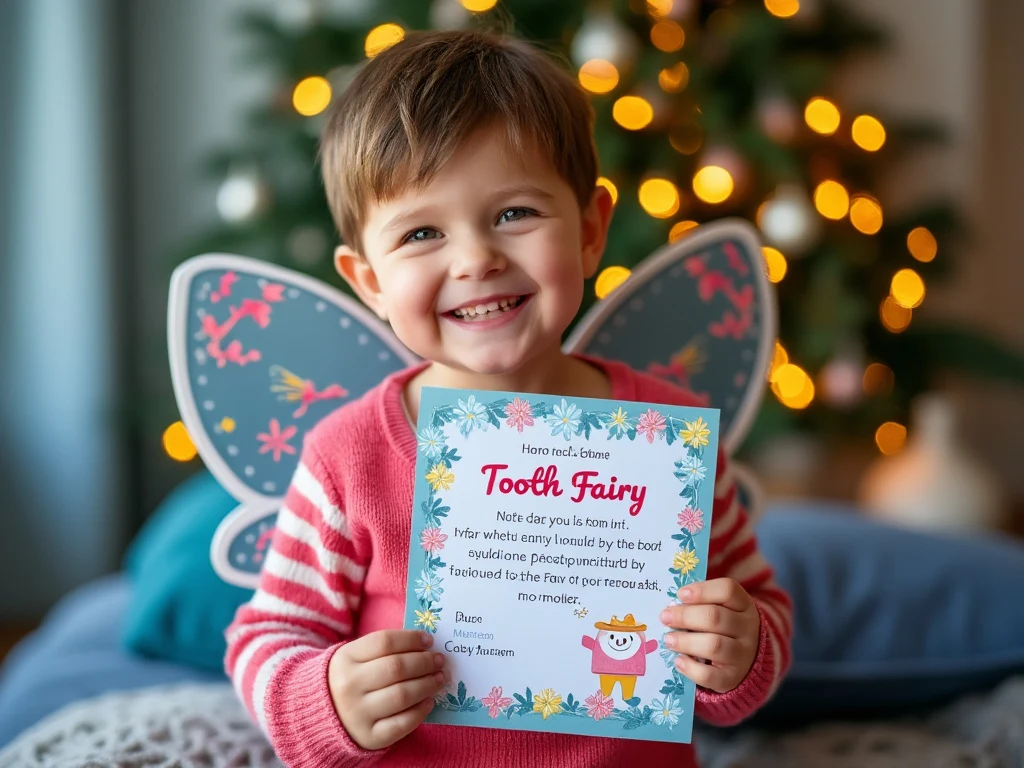
Creating Letters for Every Child
For basic personalized tooth fairy letters, the free tooth fairy letter generator provides a simple starting point that you can customize further for your child's specific needs.
For a more comprehensive approach to magical childhood correspondence, The Magic Letter Box offers AI-powered letters from the Tooth Fairy, Santa Claus, Easter Bunny, Birthday Fairy, and more beloved characters. The platform makes it simple to create empathetic, personalized letters that acknowledge your child's unique circumstances while maintaining the wonder and magic of childhood traditions.
With 5 free letters when you sign up and unlimited access for just $15/year, you can ensure that every special moment in your child's life is celebrated with the same care and personalization, regardless of their abilities or challenges.
Beyond the Tooth Fairy: Year-Round Magic
While the Tooth Fairy brings joy for lost teeth, children with special needs can benefit from consistent magical experiences throughout the year. Consider how other magical traditions might be adapted using similar principles:
- Birthday celebrations with personalized letters acknowledging growth and achievements
- Holiday traditions adapted for sensory preferences and comprehension levels
- Achievement recognition through magical correspondence for therapy milestones, school successes, or personal breakthroughs
- Comfort during difficult times with encouraging letters from beloved characters
For additional inspiration on creating comprehensive magical childhood experiences, explore our detailed guide to building lasting tooth fairy traditions that can be adapted for any family's unique needs.
Making Every Toothless Moment Shine in 2026
With just a bit of creativity, planning, and understanding of your child's individual needs, the Tooth Fairy tradition can be beautifully adapted for any child—no matter their abilities, challenges, or differences. Embracing inclusion not only makes the experience special for the child in question, but also enriches the entire family's appreciation for life's little milestones and the importance of making everyone feel valued and included.
The key to success lies in focusing on your child's strengths, interests, and preferred ways of experiencing the world, then building the magical tradition around those elements rather than trying to force them into a standard mold.
Above all, remember that the most important element of any inclusive tradition is the message it sends: that your child is valued, loved, and deserving of magical moments just as they are. Whether you're adapting existing traditions or creating entirely new ones, the love and intentionality you bring to the experience will create memories that last a lifetime.
So go ahead—sprinkle a little fairy dust (or don't, if sensory sensitivities are a concern), pen a thoughtful note (or generate one with AI assistance!), and watch your child's eyes light up with the wonder that every child deserves to experience, regardless of their abilities or challenges.
Create Magical Memories for Children of All Abilities
While the free tooth fairy letter generator offers basic personalized letters, The Magic Letter Box provides comprehensive magical correspondence for all childhood occasions. With letters from the Tooth Fairy, Santa, Easter Bunny, and more, plus 5 free letters when you sign up and unlimited access for just $15/year, you can create inclusive magical moments that celebrate every child's unique journey.