Traumatic Tooth Loss: Tooth Fairy Guide for Accidents
When tooth loss is scary—accidents, dentist visits, lost teeth—use these tooth fairy strategies to turn trauma into healing. Bravery letters included.
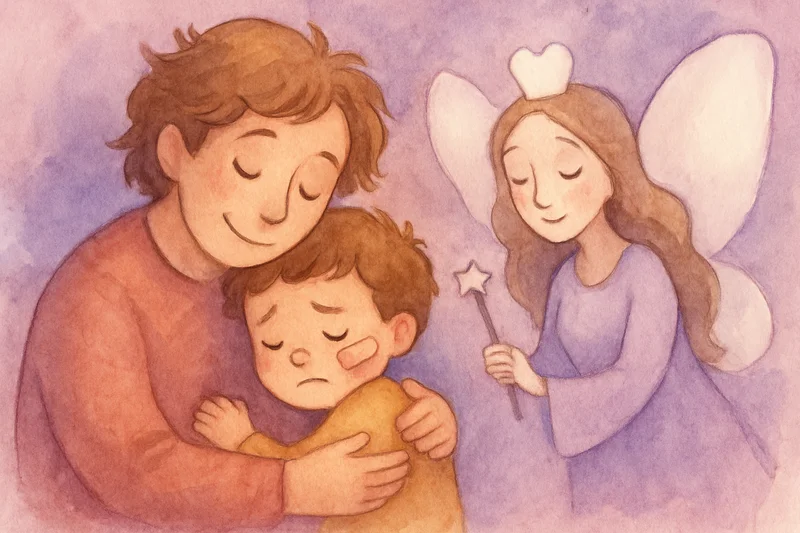
The "Ouch" Tooth: A Tooth Fairy Guide for Accidents and Dentist Visits
You get the call from the school nurse. Or you hear the thud and the immediate wail from the backyard. Or your child emerges from the dentist's office with tears streaming down their face and a gap where a tooth used to be. This isn't the happy, wiggly tooth moment you'd imagined. There's blood, there are tears, and there's genuine fear in your child's eyes.
In this moment, you're not thinking about the tooth fairy. You're thinking about ice packs, pain medication, and how to calm a frightened child. But later—after the immediate crisis has passed and your child is safely tucked into bed—you face an unexpected challenge: how do you make this traumatic tooth loss into something even remotely positive?
The truth is, not all tooth loss is created equal. There's a world of difference between the triumphant wiggling of a loose tooth that finally pops out during dinner and the sudden, scary loss of a tooth in an accident. Yet the tooth fairy tradition offers us an unexpected gift: a powerful opportunity to help our children process trauma, celebrate their bravery, and turn one of their worst days into evidence of their own strength.
When Losing a Tooth Isn't Fun: Reframing the "Ouch"
Let's be honest about what we're dealing with here. Whether it's a playground accident, a collision during sports, a fall down the stairs, or an emergency dentist visit, traumatic tooth loss is genuinely scary for children. Unlike the gradual loosening of a baby tooth—which children can control, wiggle, and anticipate—accidental tooth loss happens suddenly, often painfully, and frequently involves blood.
Children who lose teeth traumatically often develop anxiety around their remaining teeth, fear of similar accidents, or increased dental anxiety. The American Academy of Pediatric Dentistry notes that how parents respond to dental trauma significantly influences whether children develop long-term anxiety or resilience around oral health.
This is where your response—and the tooth fairy's response—becomes crucial. Your child is watching to see if this terrible thing that happened to them is truly terrible, or if there's another way to understand it. The story you help them create about this experience will shape how they remember it years from now.
Here's what's important to remember: You're not trying to make your child forget that something scary happened. You're not minimizing their pain or fear. Instead, you're helping them add a second chapter to the story—one where they discover they were braver than they knew, where scary things can have positive endings, and where the people (and fairies) who love them show up to acknowledge their courage.
Before we dive into practical solutions, if you're facing any childhood celebration across multiple milestone moments, consider how The Magic Letter Box can help you create meaningful, personalized responses to all of life's big moments—whether joyful or challenging. From tooth fairy letters that acknowledge bravery to encouraging notes for first days of school or difficult times, having tools that help you craft the right message when your child needs it most can make all the difference.
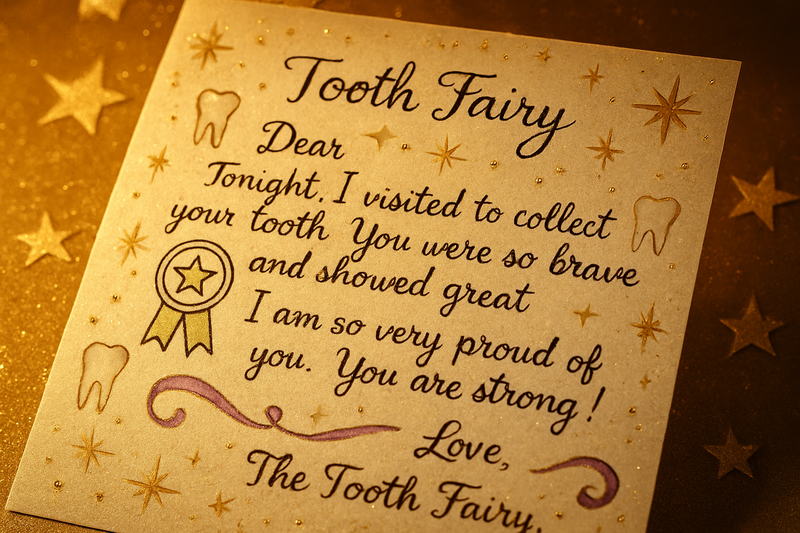
The "Missing Tooth" Problem: What to Do When There's Nothing for the Pillow
One of the most common complications with traumatic tooth loss is that there's often no tooth to actually put under the pillow. The tooth might have been lost at the accident site, swallowed in the chaos, left at the emergency room, or kept by the dentist. And now your child is worried: How will the tooth fairy know? What if she doesn't come because there's no tooth?
This additional anxiety is the last thing your child needs on top of everything else they've been through. But here's the good news: the tooth fairy has seen it all, and she's remarkably understanding about special circumstances. Let's walk through the most common scenarios and their magical solutions.
Scenario 1: The Tooth is Lost or Swallowed
Your child's tooth fell out on the playground and couldn't be found in the wood chips. Or it got swallowed accidentally during the confusion of the accident. Or it simply disappeared somewhere between the injury and arriving home. Your child is genuinely distressed because they have nothing to show the tooth fairy.
The Solution: The Explanatory Letter
This is where your child gets to write a letter to the tooth fairy explaining exactly what happened. This isn't just a practical solution—it's actually therapeutic. Writing or drawing about what happened helps children process the experience, and addressing the letter to the tooth fairy transforms them from a victim of circumstances into an active participant in their own story.
Help your younger child write something like: "Dear Tooth Fairy, I lost my tooth today but it fell out on the playground and we couldn't find it. My tooth fell out because [simple explanation]. I was very brave. Love, [Name]"
Older children might want to write more detail, and that's wonderful. Let them describe what happened in their own words. The act of writing it down helps them organize their thoughts and feelings about the experience.
Then, the tooth fairy responds to this letter with acknowledgment and praise. She "received their message" and is so impressed by their detailed explanation. If you're looking for more guidance on how to handle situations when the physical tooth isn't available, our article on creative solutions for missing teeth offers additional strategies that work beautifully for any "lost tooth" scenario.
Scenario 2: The Dentist Pulled the Tooth
An emergency dentist visit resulted in an extraction. Maybe the tooth was damaged beyond saving, or perhaps it needed to be removed to prevent infection. Your child is already anxious about the dental experience, and now they're worried about the tooth fairy protocol.
The Solution: The Dentist as "Official Helper"
Here's where you get to expand your child's understanding of how the tooth fairy operates. Dentists, you see, are official members of the Tooth Fairy Network. They're trained to send teeth directly to Fairy Headquarters when a child is too uncomfortable or when circumstances require immediate transport.
Explain to your child: "When Dr. [Name] pulled your tooth today, she sent it directly to the Tooth Fairy through the special dentist delivery system. That means the Tooth Fairy already has your tooth and already knows how brave you were at the dentist's office. She'll come tonight to leave you something special because she's already received your tooth and heard all about your courage."
Many children find tremendous comfort in the idea that the dentist—who may have been part of a scary experience—is actually an ally working with the tooth fairy on their behalf. It can help rebuild positive associations with dental care. For more strategies on building positive dental experiences, check out our comprehensive guide to using the tooth fairy to promote dental health.
Scenario 3: The Tooth is Broken or Chipped
Sometimes the tooth doesn't come out cleanly. Maybe it's chipped, broken, or only partially lost. Your child is self-conscious about the irregular appearance and worried that their broken tooth isn't "good enough" for the tooth fairy.
The Solution: "Warrior Teeth" Have Stories
This is where you get to introduce your child to the concept that the tooth fairy values teeth with stories most of all. Perfect teeth that wiggle out gently are lovely, but teeth that tell tales of bravery, survival, and resilience? Those are truly special.
Tell your child: "The tooth fairy collects teeth from all over the world, and do you know which ones she treasures most? The warrior teeth. Those are teeth that have been through something challenging. Your tooth has a story now—a story about your bravery and strength. That makes it more valuable, not less."
If the tooth is chipped or broken, you can place whatever portion exists under the pillow. The tooth fairy will accept it gratefully, and her letter can reference this specifically: "I received your warrior tooth, and I can see it's been through quite an adventure!"
The "Bravery Letter": How the Tooth Fairy Can Help Heal
This is the heart of everything. When tooth loss is traumatic, the tooth fairy's letter isn't just a fun tradition—it becomes a powerful tool for healing and building resilience. This letter needs to do something very specific: it needs to reflect back to your child their own strength and courage in a way that helps them see themselves differently.
What a Bravery Letter Must Include:
Acknowledgment of what happened: Don't pretend it wasn't scary. "I heard about your accident today" or "I know losing your tooth at the dentist was frightening" shows your child that their fear was valid and seen.
Specific praise for specific brave actions: "You were so brave when you held still for the doctor" or "I heard you didn't cry when you saw the blood" or "Your mom told me you took your medicine even though you didn't want to." Specific praise is infinitely more powerful than generic "you were brave" statements.
Reframing the experience: Help your child see the experience through a different lens. "Losing a tooth in an accident means you're living life fully—running, playing, taking chances. That's what growing up is all about" or "Going to the dentist even though you were scared shows real courage."
Recognition of their emotions: "It's okay that you cried" or "Being scared doesn't mean you weren't brave—bravery is doing something even when you're afraid." This teaches emotional intelligence and self-compassion.
Future-focused encouragement: "This experience taught you that you're stronger than you thought" or "Now you know you can handle hard things." This helps children carry confidence forward.
Sample Bravery Letter:
"Dear [Name],
I received your tooth tonight, and I want you to know something important: this wasn't just any tooth. This was a tooth that tells a story of real bravery.
I heard about your fall on the playground today. I know it was scary, and I know it hurt. But I also heard about how brave you were. I heard that you held still while the school nurse looked at your mouth, even though you were crying. I heard that you let your mom clean your face and give you medicine. I heard that you were worried about the other kids seeing your gap, but you went back to class anyway.
Those things? Those are what real courage looks like. Bravery isn't about not being scared. Bravery is being scared and doing hard things anyway.
I've been the tooth fairy for a very long time, and I've collected millions and millions of teeth. But the teeth I treasure most are the ones that come with stories like yours—stories about children who discovered they were stronger and braver than they ever knew.
I'm leaving you something extra special tonight, not just for your tooth, but for your courage. You've earned it.
You're an incredibly brave kid, [Name]. Don't forget that.
With admiration and magic dust,
The Tooth Fairy"
Writing this kind of personalized, specific letter can feel overwhelming, especially when you're already dealing with the emotional aftermath of your child's trauma and your own stress about it. This is precisely why many parents turn to personalized tooth fairy letter generators that can help you craft meaningful, healing messages even when you're exhausted and overwhelmed. The right words at the right moment can make all the difference in how your child processes this experience.
The "Bravery Bonus": Gift Ideas for an "Ouch Tooth"
When the tooth fairy visits after a traumatic experience, many parents instinctively feel that this visit should be marked differently than a regular tooth loss. And they're right. This is an opportunity to provide what psychologists call "positive reinforcement" for courage and resilience.
The "bravery bonus" doesn't have to be expensive, but it should be meaningful. Here are some ideas that go beyond money and focus on emotional healing and confidence-building:
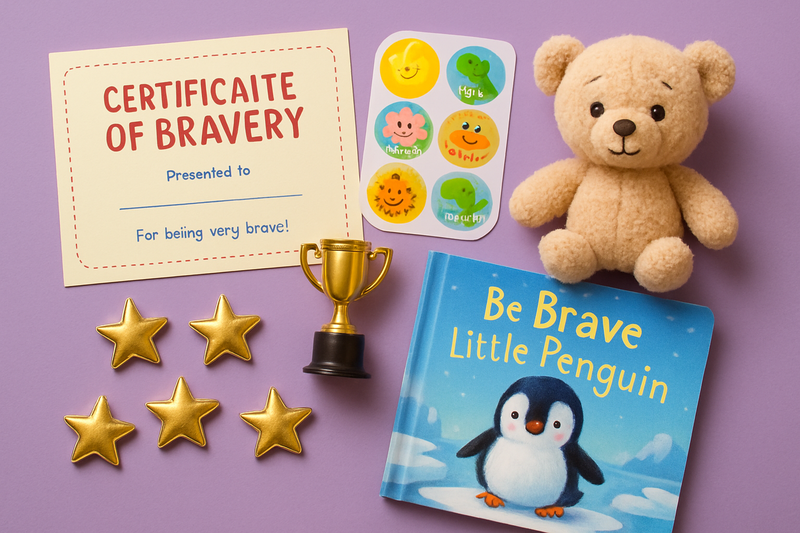
A Bravery Certificate: Create or purchase a certificate officially declaring your child's bravery. Frame it or let them hang it in their room. Physical evidence of their courage becomes something they can look at whenever they need a reminder of their strength.
A "Brave Kid" Badge or Medal: Something wearable that your child can show off. Many children love having a tangible symbol of an accomplishment. When other kids ask about it, your child gets to retell their story—but this time as the hero of their own adventure.
A Comfort Item: A small stuffed animal, a soft blanket, or a special pillow. Sometimes after trauma, children need extra comfort. Having a new "friend" from the tooth fairy can provide ongoing emotional support.
A Book About Bravery or Overcoming Fear: Choose an age-appropriate book that deals with themes of courage, resilience, or overcoming challenges. Reading together about characters who face and conquer their fears reinforces the lessons you're teaching. Our guide to the best children's books about tooth loss and dental care includes several titles specifically about facing fears and being brave.
Activity "Coupons": Create coupons for special activities: "One Brave Kid Movie Night," "Ice Cream with Mom for Being Strong," "Extra Story Before Bed," or "Choose Dinner for the Brave Knight." These focus on special time and attention rather than material items.
Glow-in-the-Dark Stars or Night Light: Many children develop temporary anxiety about sleeping after a traumatic event. A special night light or glow-in-the-dark stars "from the tooth fairy" can provide comfort during those vulnerable bedtime hours.
Art Supplies: Sometimes children process trauma through creative expression. Special markers, a new coloring book, modeling clay, or craft supplies give them an outlet for their feelings.
A "Bravery Stone" or Crystal: Small polished stones or crystals that children can carry in their pocket as a tangible reminder of their courage. Tell them to hold it whenever they need to remember how strong they are.
For a more comprehensive look at meaningful, non-monetary tooth fairy gifts, check out our complete guide to creative tooth fairy gift ideas beyond coins. The key is choosing something that acknowledges the extra difficulty of this particular tooth loss experience.
Important Note: Some parents worry that giving "extra" for a traumatic tooth loss sets a precedent or creates inequality with other tooth losses. Here's how to think about it: just as we respond differently to different situations in life, the tooth fairy can too. You can explain to your child (if asked) that the tooth fairy gives different things based on different circumstances—sometimes it's about the condition of the tooth, sometimes it's about how the tooth was lost, sometimes it's about special bravery. This actually teaches children a valuable lesson about proportional response and context.
Turning a Bad Day into a Magical Milestone
Let's talk about what's really happening here. When you use the tooth fairy tradition to acknowledge and honor your child's bravery after a traumatic tooth loss, you're doing something profound: you're teaching your child that difficult experiences don't have to define them negatively. You're showing them that they have the power to find meaning, growth, and even pride in challenging moments.
Research on childhood resilience shows that how adults help children interpret difficult experiences significantly impacts their ability to bounce back from adversity. Children who learn to see themselves as capable, brave, and able to handle hard things develop stronger resilience than children who only receive sympathy for their suffering.
This doesn't mean dismissing their pain or fear. It means acknowledging those difficult emotions while simultaneously highlighting their strength in facing them. The tooth fairy's response becomes part of a larger narrative about who your child is and what they're capable of.
Years from now, when your child thinks back to the time they lost their tooth in an accident or had to visit the dentist for an emergency extraction, they might not remember every detail of the scary part. But they will remember how you responded. They'll remember that their parents made it okay. They'll remember the tooth fairy's special letter that called them brave. They'll remember feeling proud instead of just scared.
That's the power of reframing. That's what these magical traditions can do when we use them intentionally and thoughtfully.
Pro Tip: Keep the tooth fairy's bravery letter. Put it in a memory box or baby book. On difficult days in the future—before a big test, during friend drama, facing any kind of challenge—you can pull out that letter and remind your child: "Remember when the tooth fairy told you how brave you are? She was right. You've always had that courage in you."
When You Need Help Finding the Right Words
Here's something that nobody tells you about parenting: sometimes the most important moments are the ones where you're least prepared. Your child experiences something traumatic, and suddenly you're supposed to craft the perfect, healing response while you're also stressed, scared, and possibly sleep-deprived.
If you've read this article and thought, "I understand what I need to do, but I don't know if I can write that kind of letter right now," you're not alone. Creating personalized, emotionally intelligent tooth fairy letters that acknowledge trauma and celebrate bravery isn't easy, especially in the midst of an emotional crisis.
This is exactly why tools exist to help you create meaningful, personalized letters even when you're overwhelmed. Whether you're dealing with a traumatic tooth loss or any other challenging tooth fairy scenario, Tooth Fairy Letter Bot can help you craft letters that acknowledge your child's specific situation, praise their particular acts of courage, and provide the healing words they need to hear—all while you focus on the emotional support only you can provide.
And as your child grows, there will be countless other moments when the right words at the right time matter enormously. From Santa's encouraging Christmas Eve letters to the Easter Bunny's notes about kindness, from first day of school messages to birthday encouragement, The Magic Letter Box ensures you always have access to meaningful, personalized messages for every childhood milestone—whether joyful or challenging.
Final Thoughts: The Gift of Reframing
The truth about traumatic tooth loss is this: it happens. Children fall. Accidents occur. Emergency dentist visits become necessary. We cannot protect our children from every frightening experience. But we can teach them how to process those experiences, how to find their own courage, and how to see themselves as resilient, capable people.
The tooth fairy tradition, when used thoughtfully, becomes more than just a cute childhood ritual. It becomes a tool for teaching emotional intelligence, building resilience, and helping children develop a healthy narrative about who they are and what they can handle.
Your child lost a tooth today under difficult circumstances. They were scared, they were hurt, and they cried. And then they did hard things anyway. They let people help them. They took medicine. They went to the dentist. They survived something scary.
The tooth fairy's visit tonight isn't just about a tooth. It's about acknowledging that bravery, witnessing that strength, and reflecting it back to your child so clearly that they can begin to see it in themselves.
That's not just magic. That's parenting at its finest.
And sometimes, when you're doing parenting at its finest while exhausted and emotionally drained, having tools and resources that help you show up as the parent you want to be makes all the difference. Whether it's the perfect tooth fairy letter, a thoughtful bravery bonus, or simply knowing that you're not alone in navigating these challenging moments—support matters.
Your child is braver than they know. And so are you.